




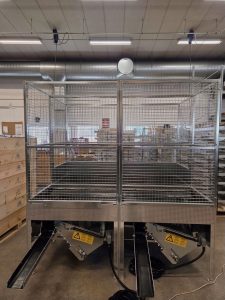
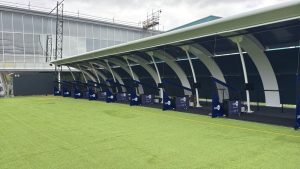
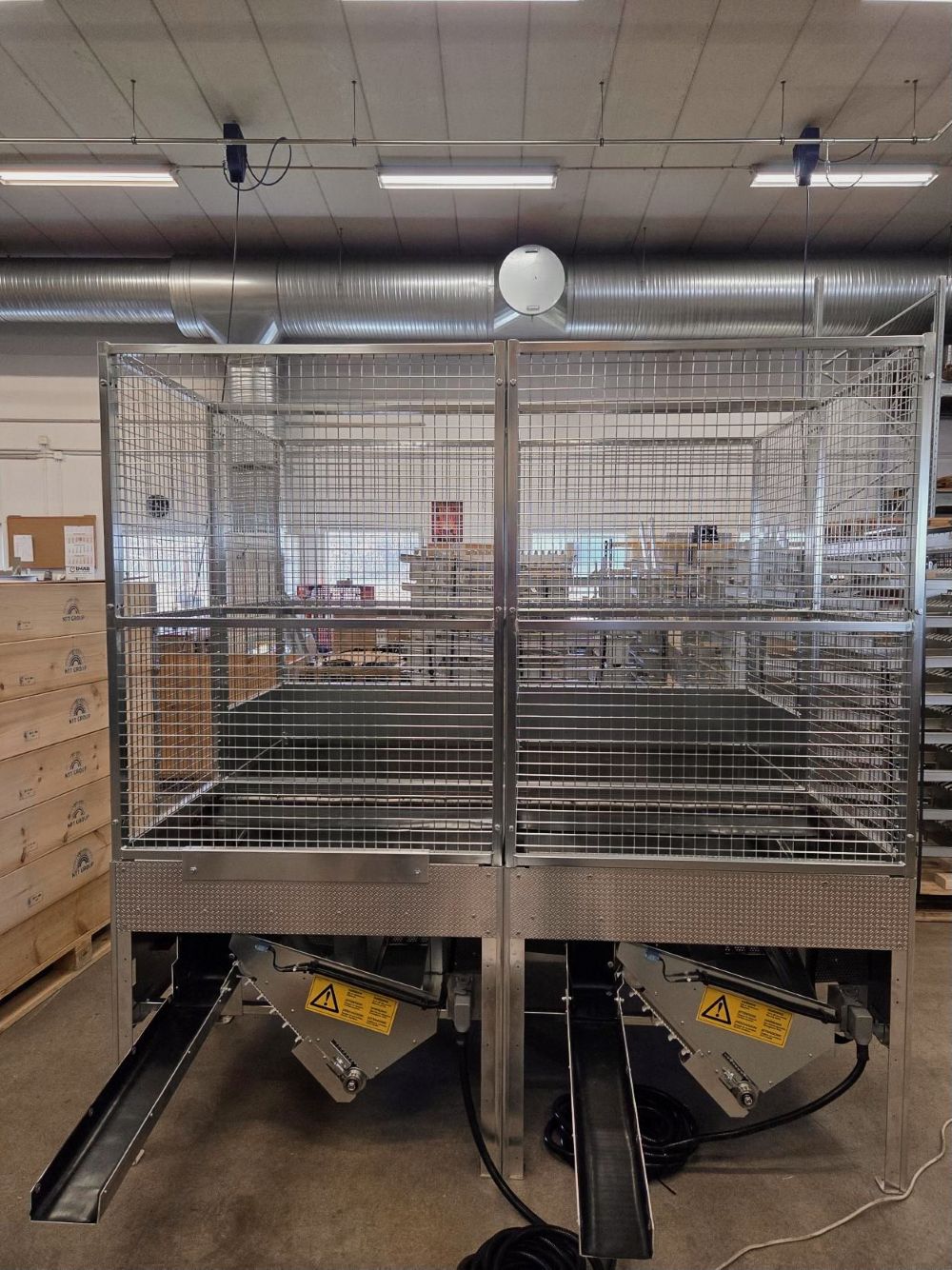
Outdoor environments are unforgiving.
Rain, frost, UV exposure, high-impact use—it all adds up. And in golf, where equipment lives outside 365 days a year, materials aren’t just a detail. They’re the difference between something that lasts a season and something that lasts for years.
At Range Servant, we’ve always believed durability starts long before design finishes. It starts at the material level.
When you’re building ball management systems, dispensers, and range infrastructure, you’re building for weather, wear, and repetition—so material matters.
Protecting steel is paramount
Steel is strong—but left untreated outdoors, it will eventually fail.
That’s where galvanisation comes in.
At its simplest, galvanisation is the process of coating steel with zinc. The zinc layer acts as a protective barrier, shielding the steel beneath from moisture and oxygen—the two main causes of corrosion.
But it goes deeper than just a coating.
Zinc is sacrificial by nature. If the surface is scratched or damaged, the zinc corrodes first, protecting the steel underneath. It’s a built-in defence system. Eventually, as the Zinc breaks down, the steel becomes exposed—so a thick, even and complete coating is paramount to protecting product lifespan.
Not all galvanisation is the same
This is where things start to matter in real-world performance.
Different manufacturers use different galvanisation methods—and the differences are significant.
Some use lighter coatings and thinner applications that result in poor coverage and component vulnerability. On paper, it still counts as galvanised steel. In practice, it can mean:
- Reduced corrosion resistance
- Faster surface wear
- Vulnerability at edges and joints
- Weak points under repeated movement or impact
In driving range environments it’s not just about weather exposure. Equipment also endures constant mechanical stress. Balls dropping, moving, hitting and pushing against structures day after day. Over time, weaker coatings can quickly fatigue.
The Range Servant approach: Hot-dip galvanisation
We use a technique called hot-dip galvanisation, and it’s a deliberate choice.
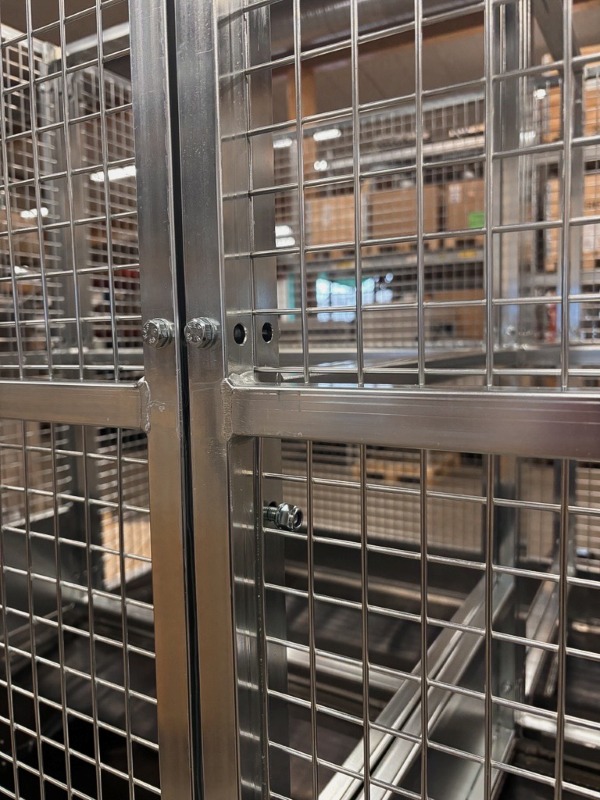
During this process, fabricated steel components are fully submerged in a bath of molten zinc. The temperature is extreme, but the result is precise: a complete metallurgical bond between steel and zinc.
This creates a thick, uniform coating that covers:
- External surfaces
- Internal cavities
- Edges, joints, and hard-to-reach areas
That means a deeper level of protection through changing seasons, heavy usage and years of exposure to the elements.
If durability matters to you, choose hot-dip.
For more information: